


Scholars from Around the World Gather to Mark Venerable Master Hsing Yun’s Centenary and Explore Humanistic Buddhism’s Global Contributions
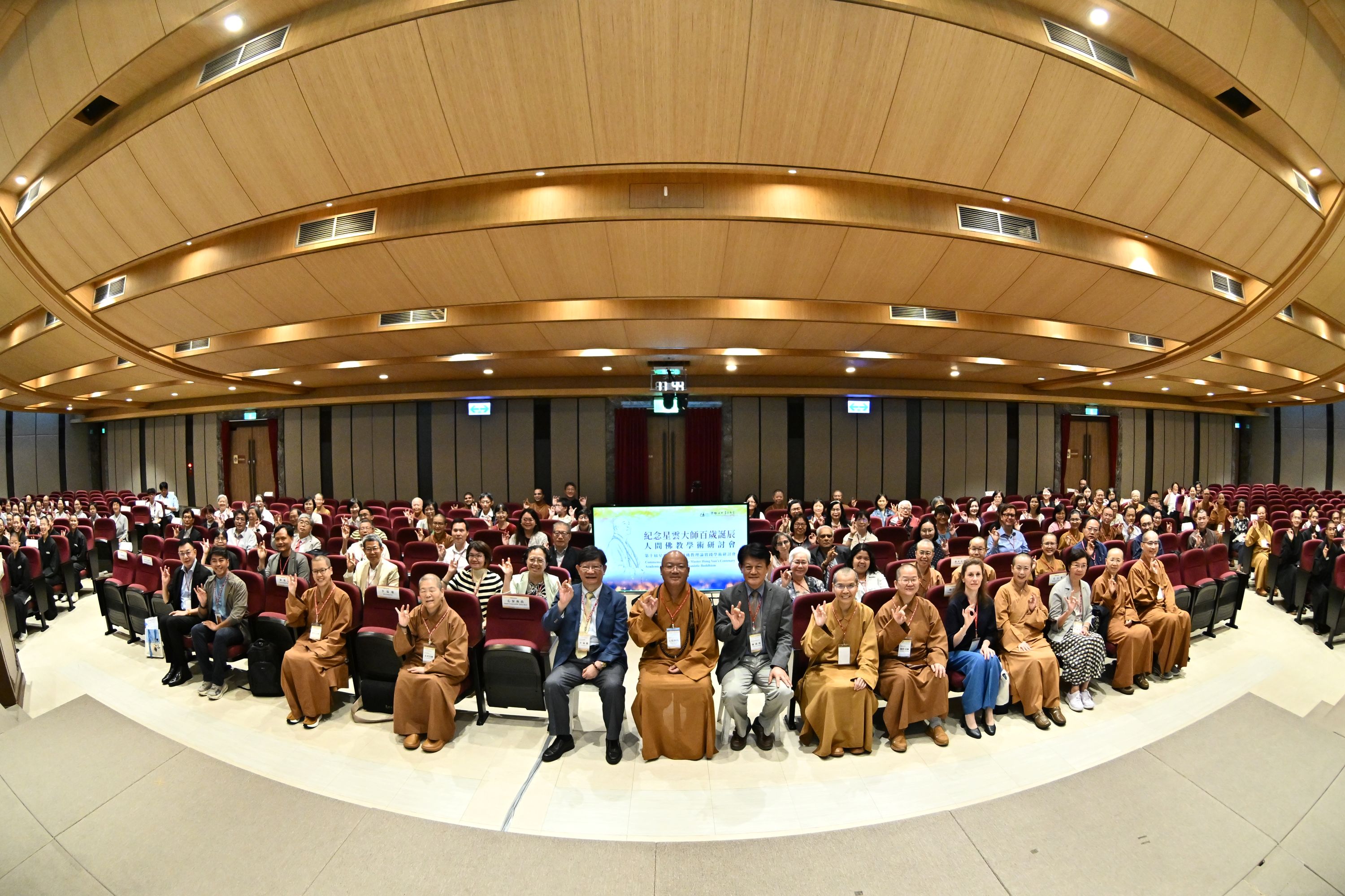
The Commemoration of Venerable Master Hsing Yun’s Centenary Academic Conference on Humanistic Buddhism, jointly organized by the Fo Guang Shan Institute of Humanistic Buddhism and 14 research centers in Taiwan and abroad, is being held in conjunction with the 10th Academic Conference on the Theory and Practice of Venerable Master Hsing Yun’s Humanistic Buddhism.
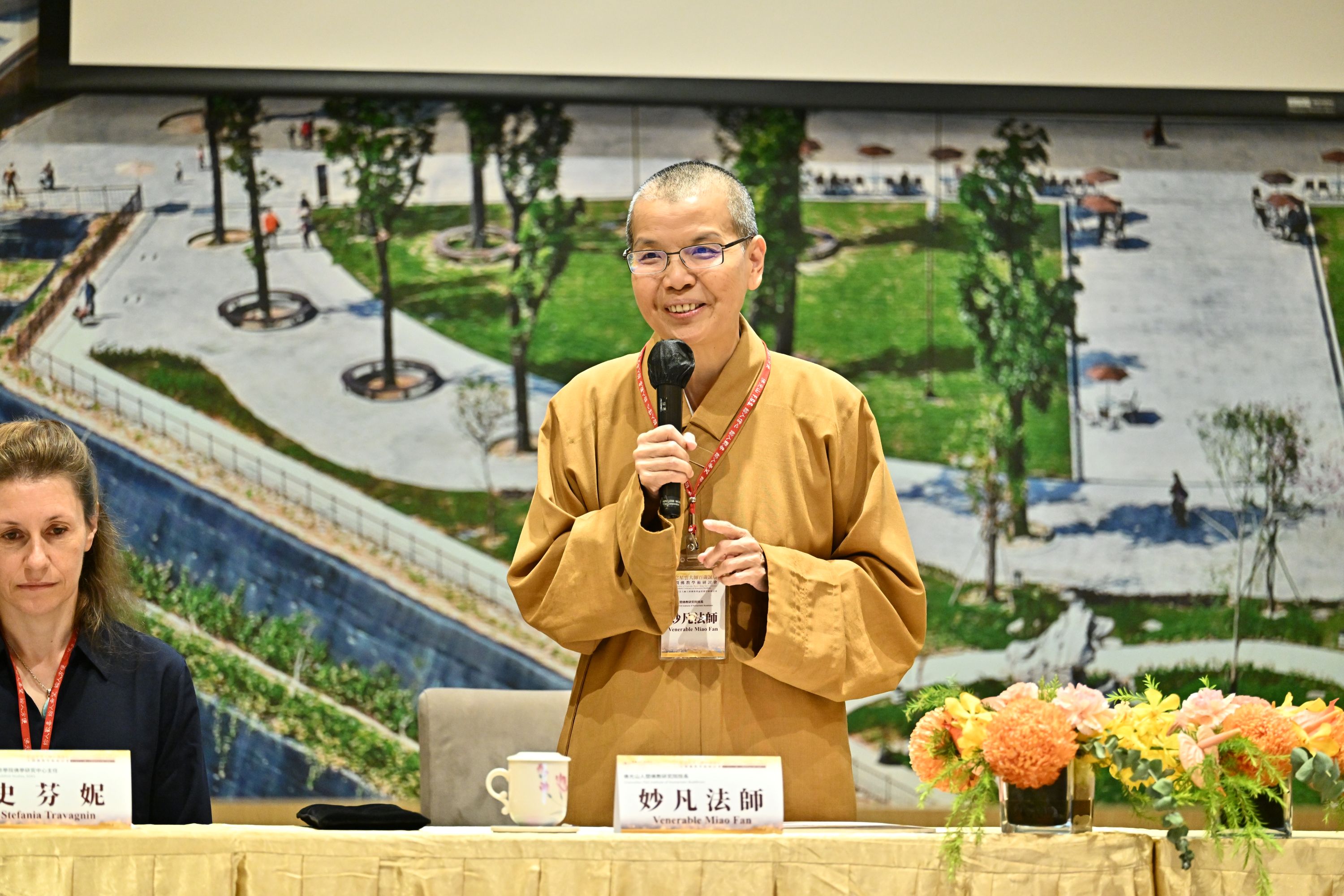
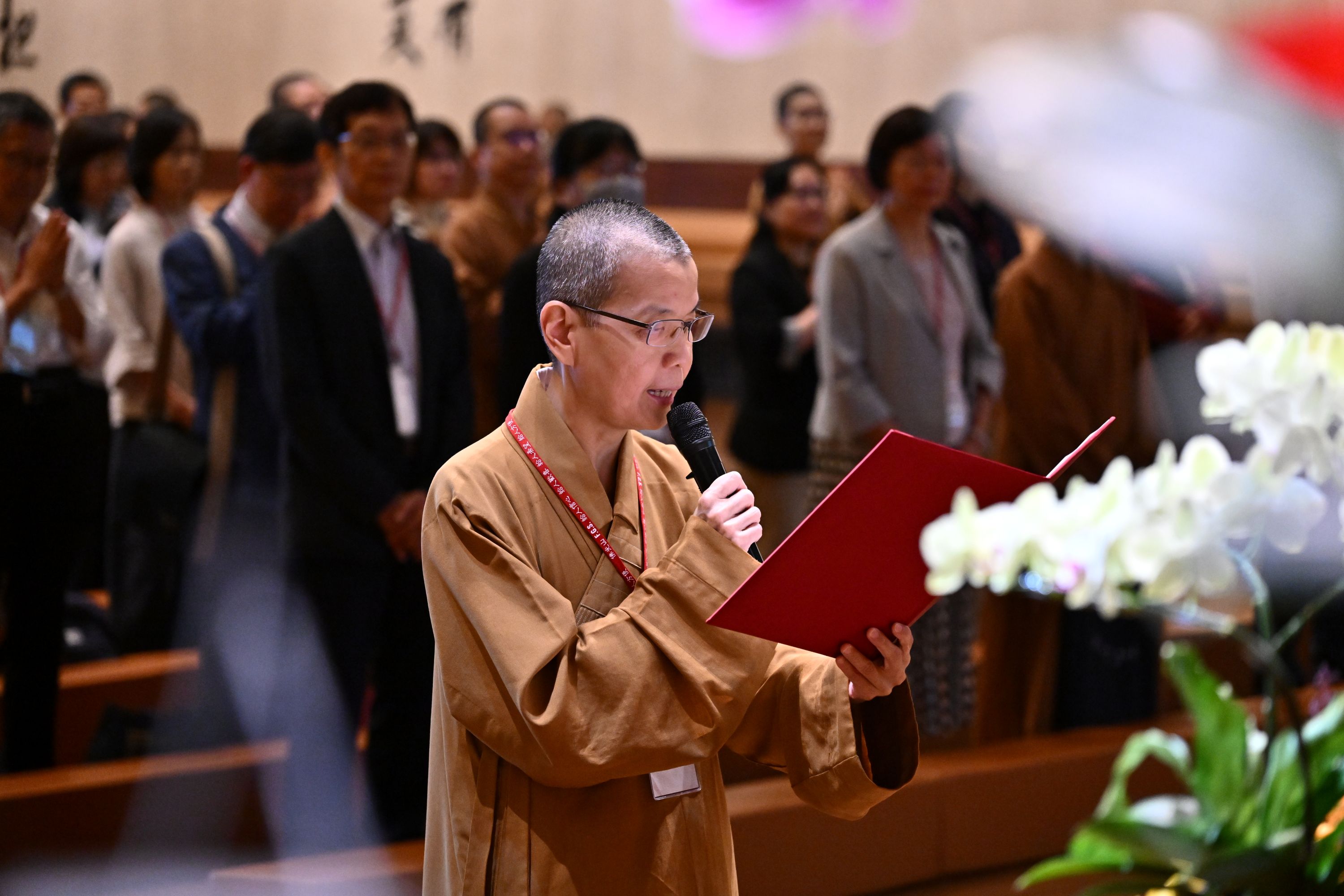
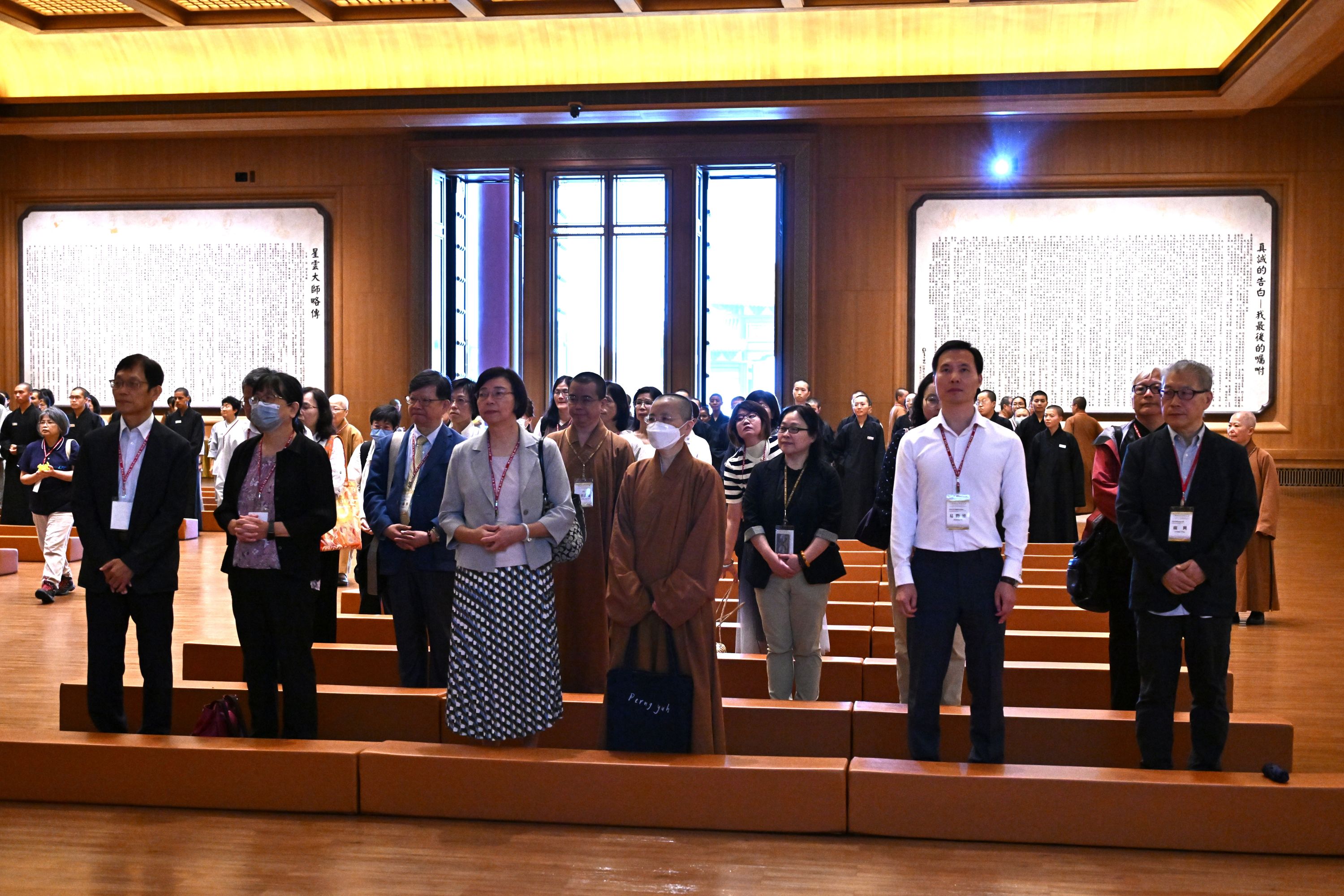
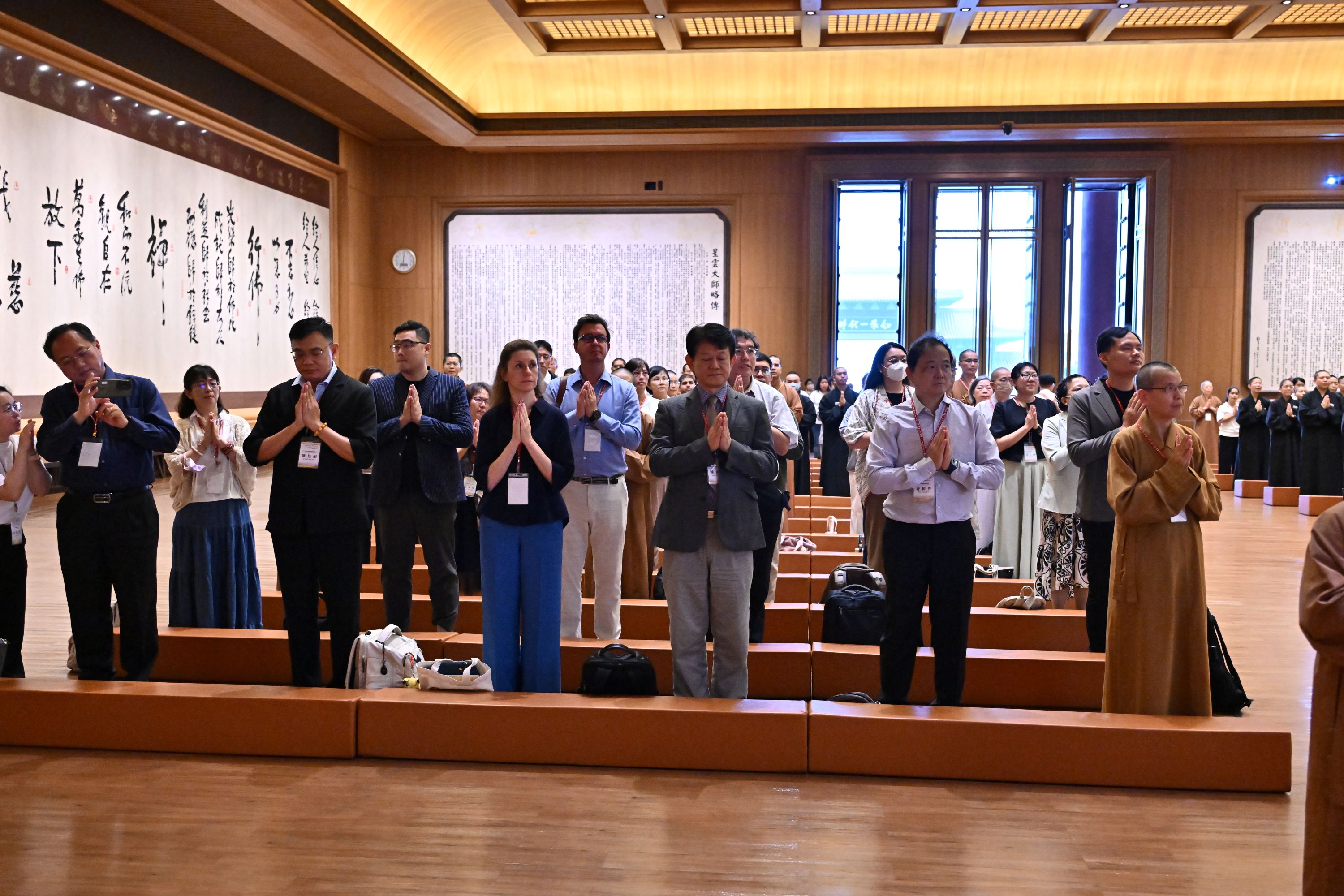
The conference officially opened on August 21 at the Dharma Gem Hall of the FGS Sutra Repository. Venerable Miao Fan, Chancellor of the FGS Institute of Humanistic Buddhism, began by introducing the origins and objectives of the conference. She noted that both the “10th” conference and the Master’s “centenary” carry the symbolism of fulfillment and completion. With favorable conditions coming together, this year’s conference has returned to Fo Guang Shan in Taiwan, centering on the theme of the global history of Fo Guang Shan’s Dharma propagation and bearing witness to the international development and achievements of Humanistic Buddhism.
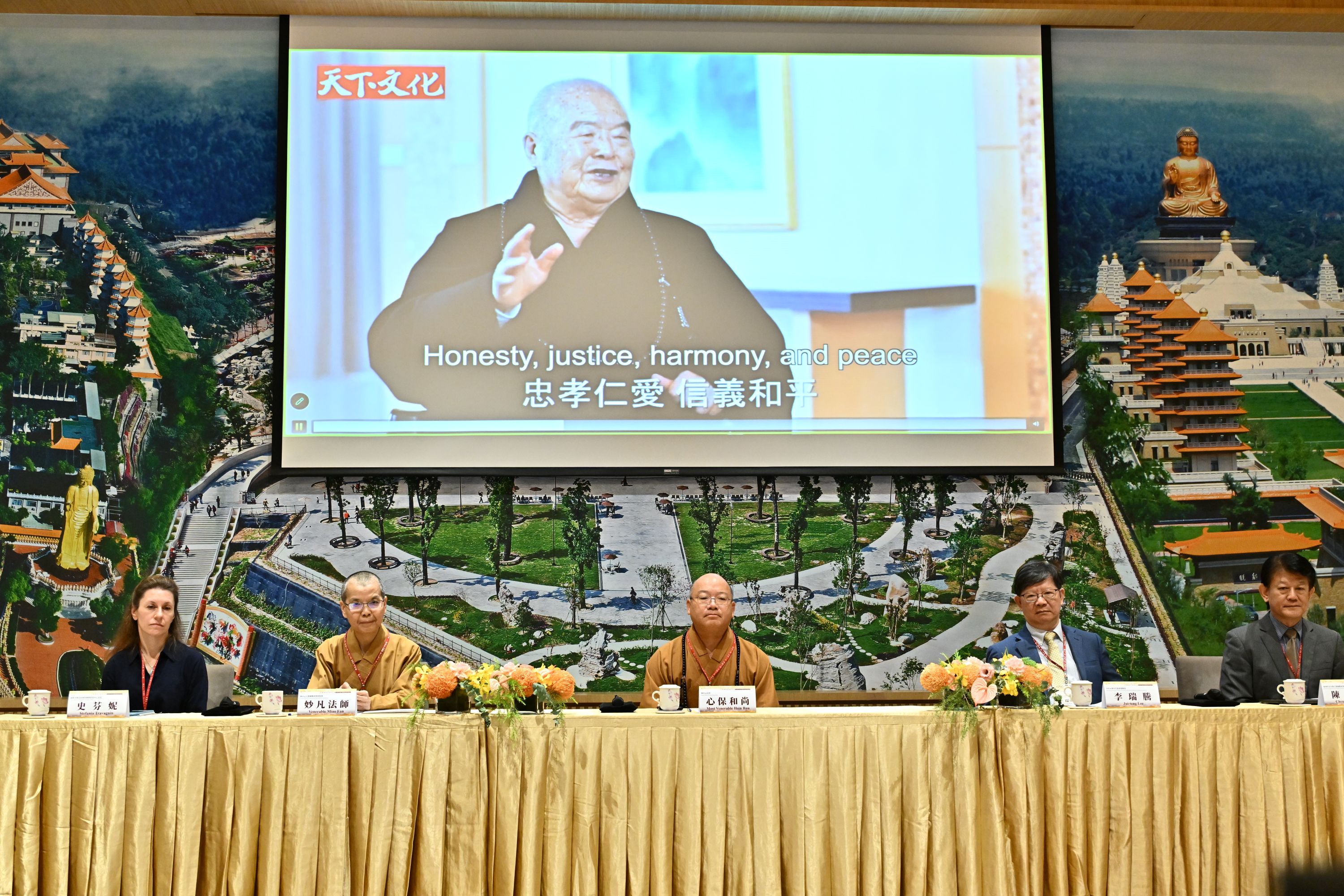
The opening program continued with a video teaching by Venerable Master Hsing Yun, founding Master of Fo Guang Shan, titled “What Is Humanistic Buddhism?” In the talk, the Master emphasized that Humanistic Buddhism is concerned not only with one’s own well-being, but also with benefiting society at large, and that Buddhist practice involves awakening oneself while helping others awaken. His teaching highlighted the universal values that have enabled Buddhism to spread throughout the world.
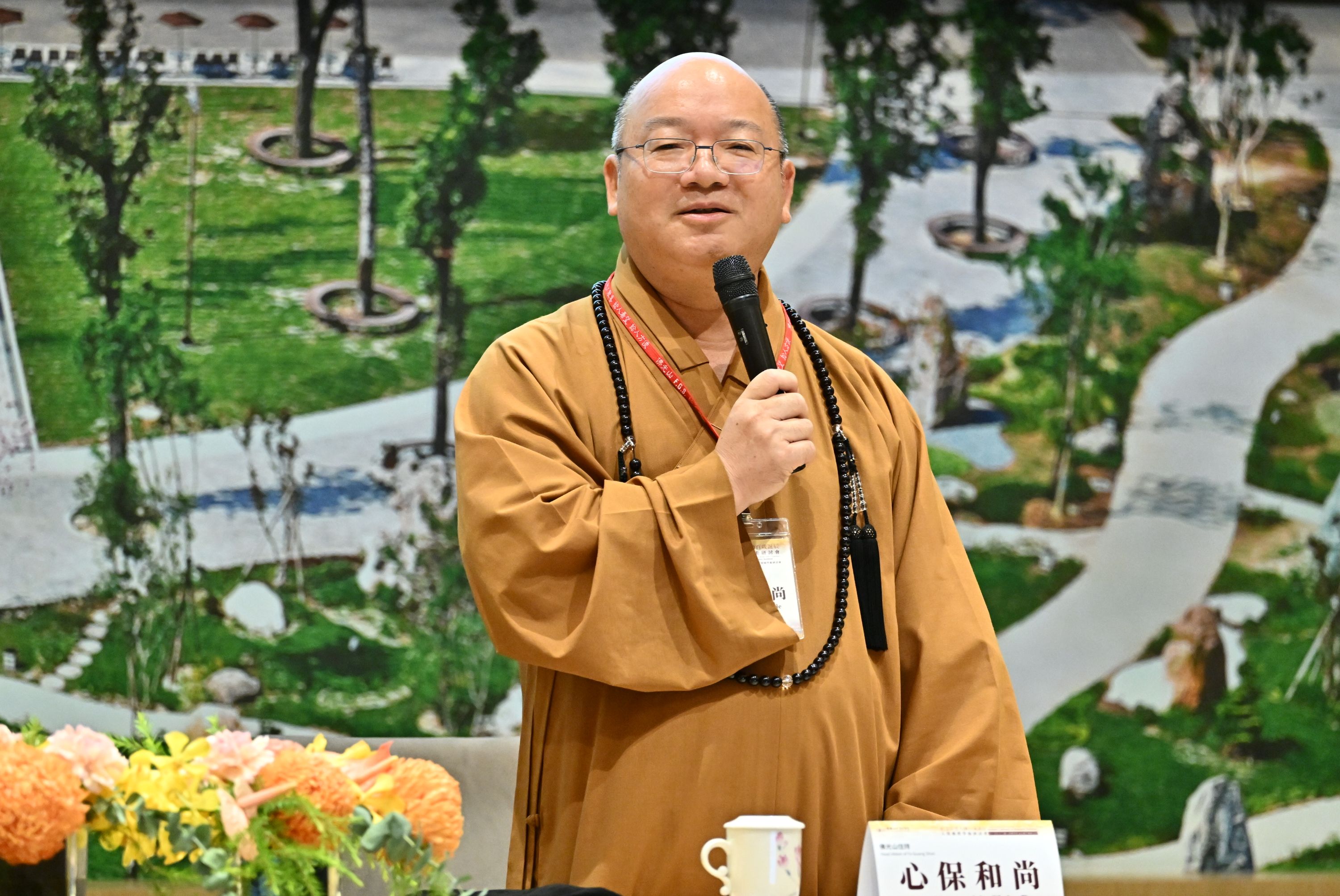
Most Venerable Hsin Bau, Head Abbot of Fo Guang Shan, delivered welcoming remarks on behalf of the organizers. Recalling his own assignment to serve at Hsi Lai Temple in 1990, he described how he personally witnessed Venerable Master Hsing Yun lead temples and communities around the world forward step by step, with an unwavering spirit of never giving up, bringing the Dharma to all five continents. He stressed that Buddhism is fundamentally about practice: by guiding one’s actions, speech, and thoughts with right understanding, the Dharma can naturally be shared with others.
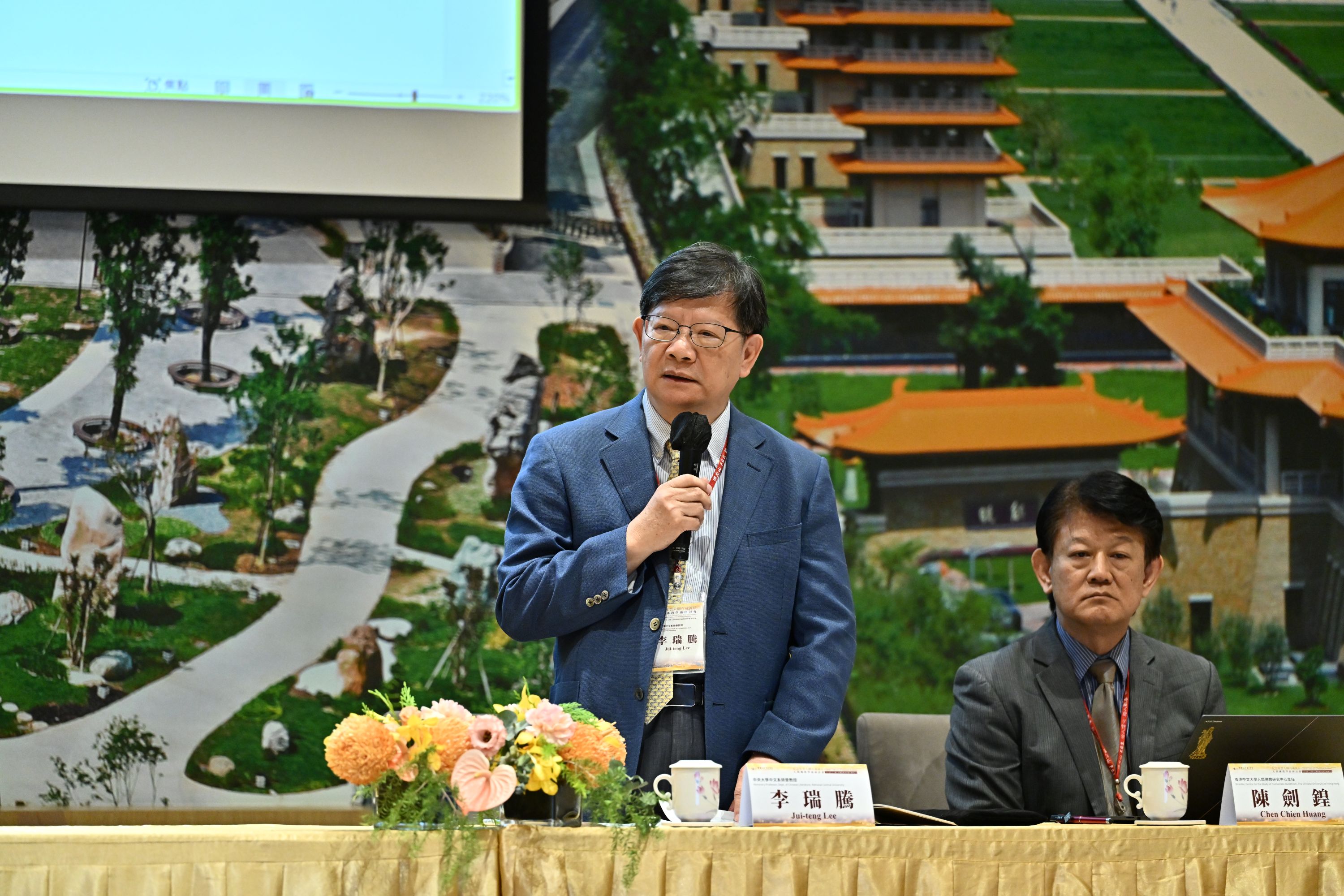
Speaking on behalf of the participating scholars, Professor Jui-Teng Lee of National Central University observed that, in addition to tracing the Master’s “footsteps,” scholars must also study his “written traces” in order to gain a fuller understanding of his Dharma propagation. Taking Venerable Master Hsing Yun’s early years in Taiwan as an example, Professor Lee noted that every place the Master traveled to and stayed in enabled him to develop a profound understanding of Taiwanese society and the hardships of the times. As scholars and disciples, he said, there is a responsibility to examine each stage of the Master’s life and, through a wide range of documentary sources, reconstruct the full course of his Dharma propagation.
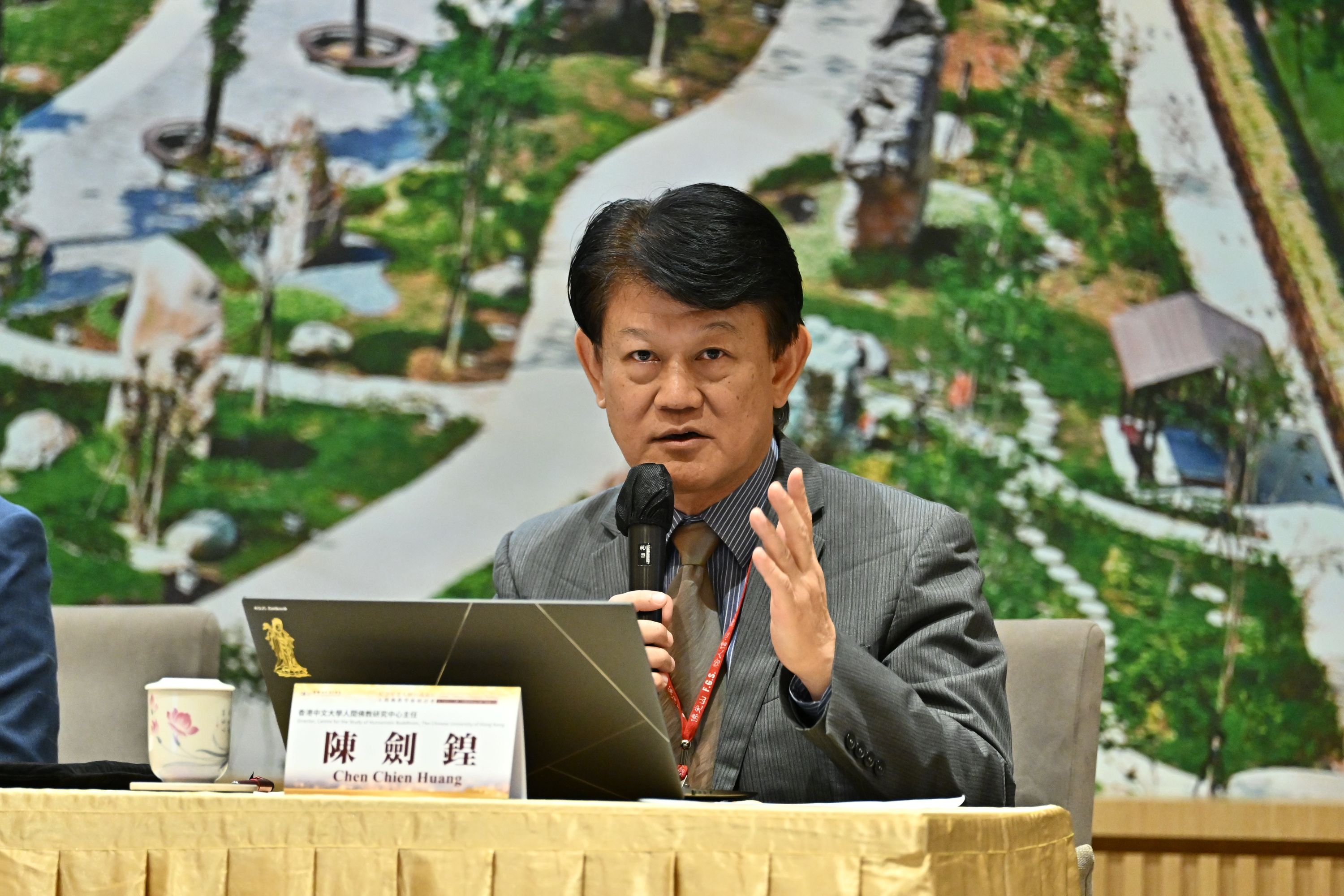
Professor Chien-Huang Chen of the Chinese University of Hong Kong stated that Venerable Master Hsing Yun was the first to bring Chinese Buddhism from a relatively marginal position in the international Buddhist landscape to a presence across all five continents. He summarized the Master’s achievements in three areas: establishing temples and institutions around the world, setting an exemplary model for monastic organization, and integrating tradition with modernity. Through the power of his vows, the Master brought together affinities across the globe; through compassion, he brought the Dharma to people of different countries and ethnic backgrounds.
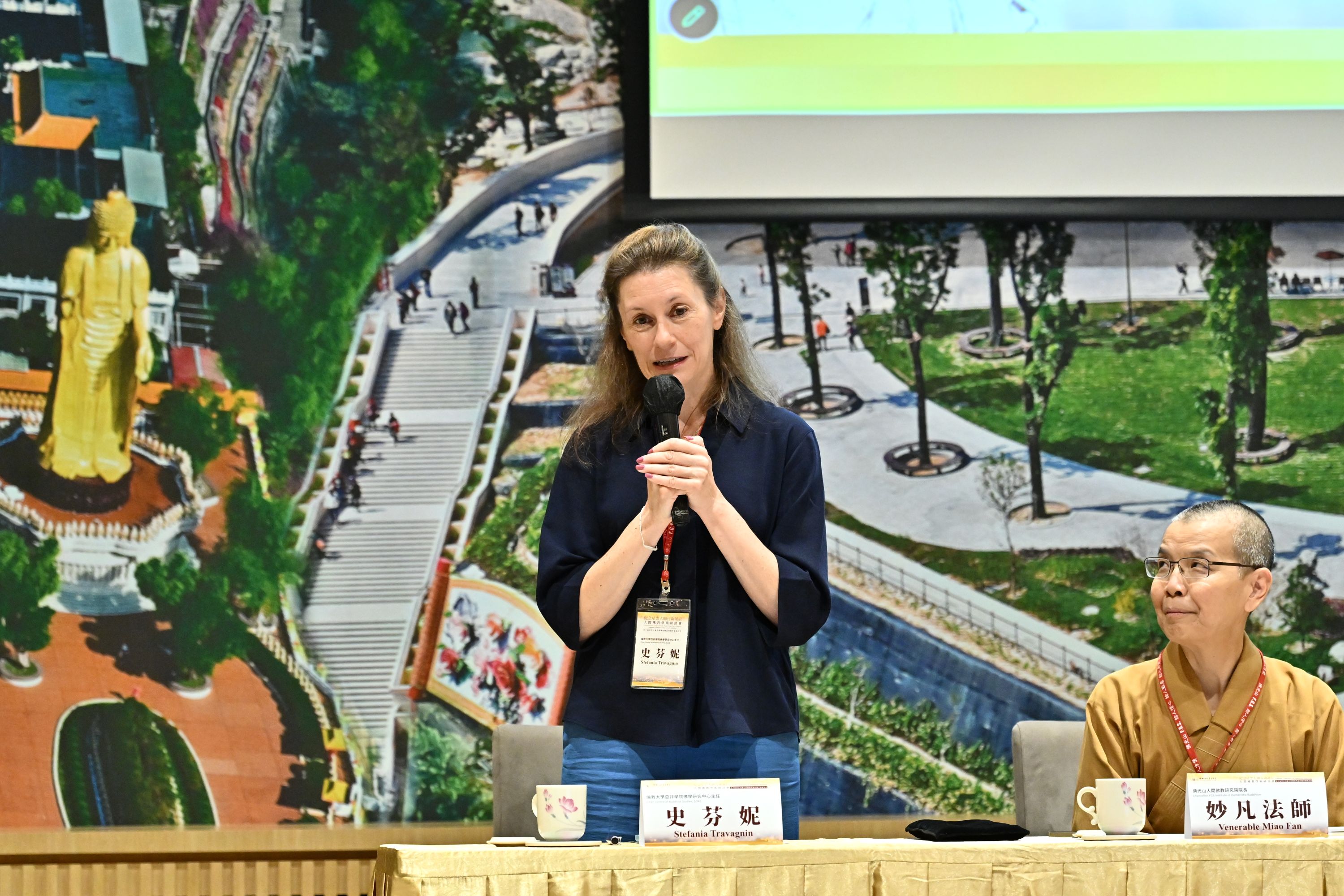
Professor Stefania Travagnin of the University of London recalled her first encounter with Venerable Master Hsing Yun and Fo Guang Shan in 1999, an experience that left her with a lasting sense of warmth and closeness. She remarked that without the causes and conditions created by that encounter, she would not be who she is today.
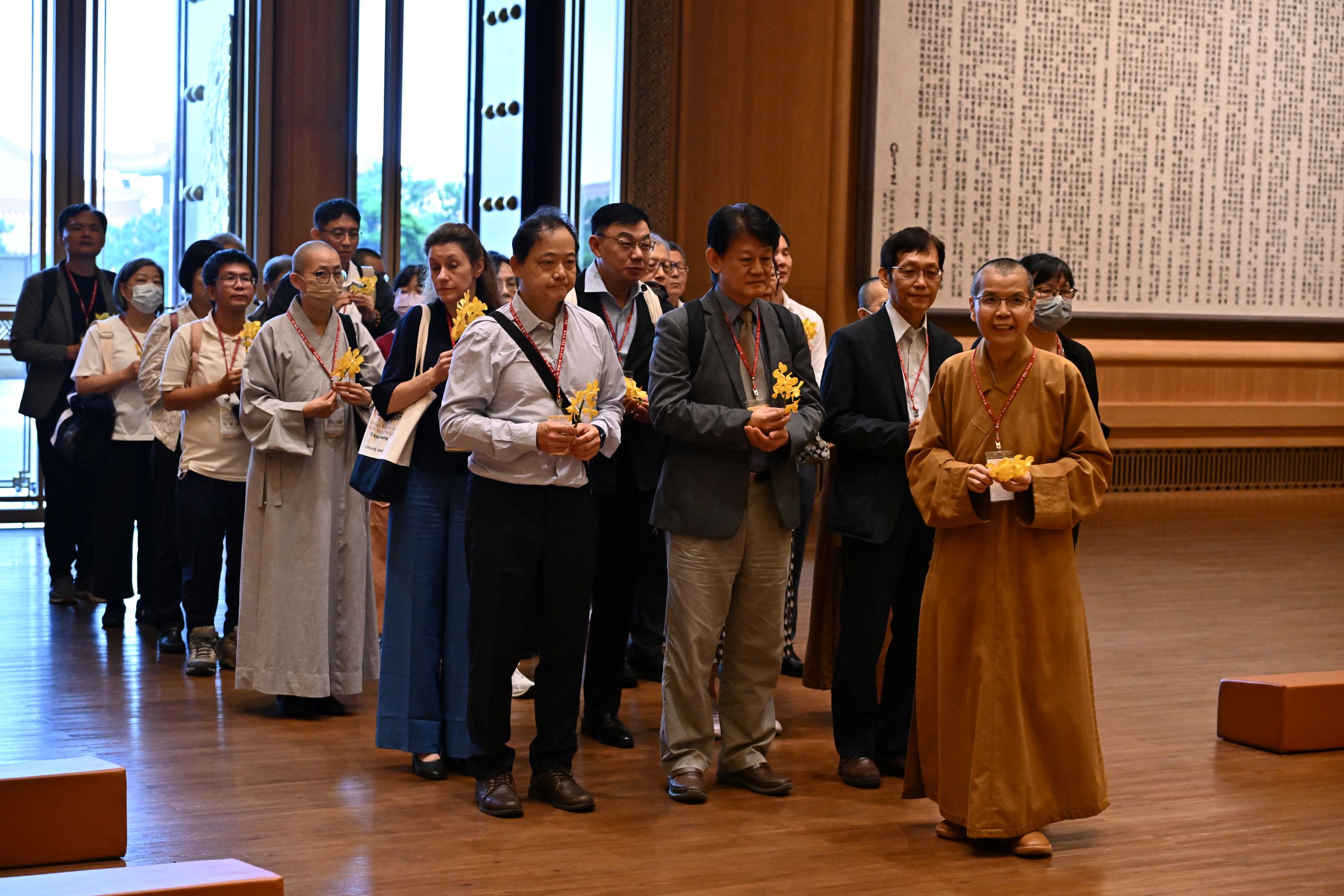
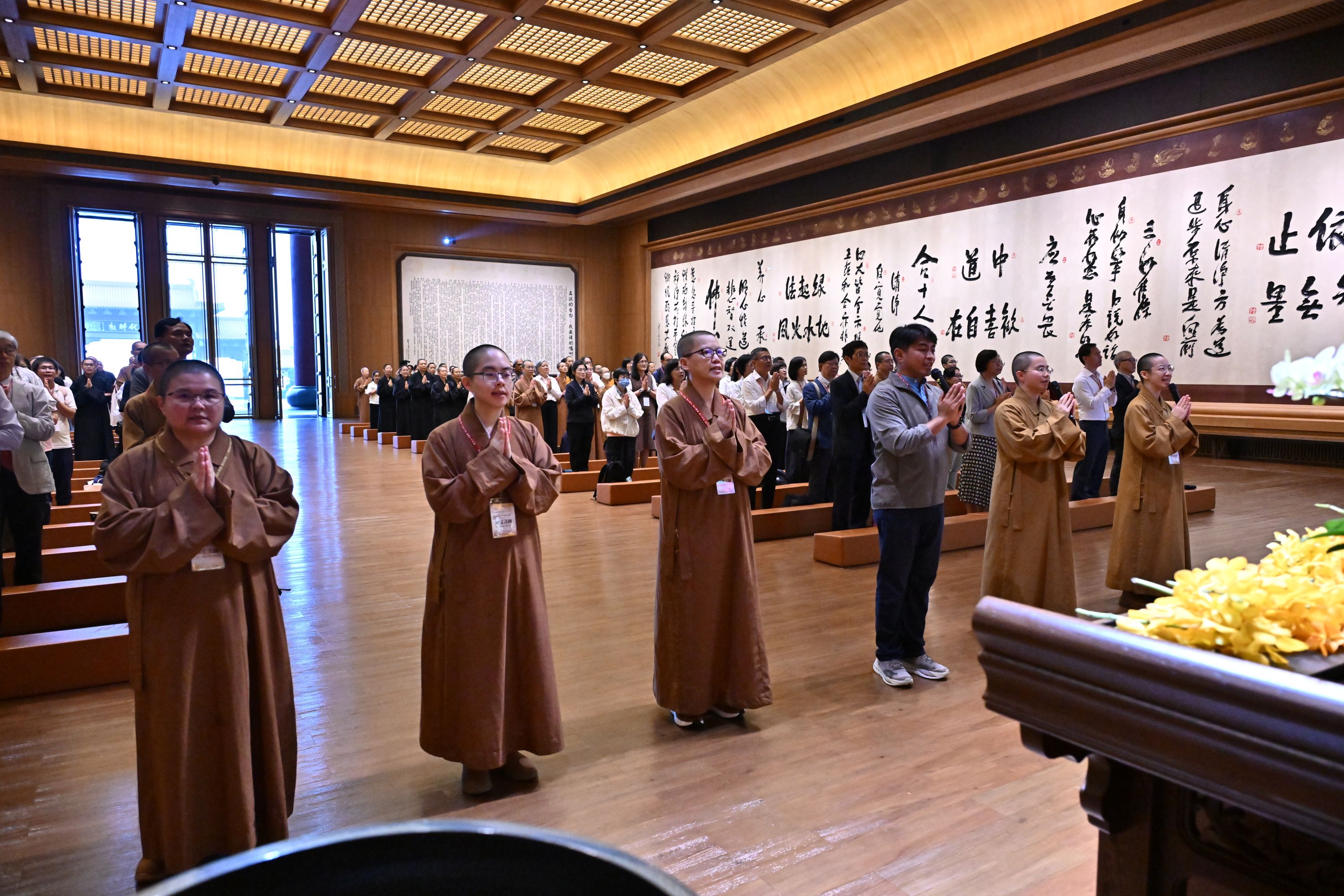
Following the opening ceremony, participants proceeded to the Patriarch Shrine for a special “Heart-to-Heart with Venerable Master Hsing Yun” ceremony. Representing the participating scholars, Venerable Miao Fan reported to Venerable Master Hsing Yun on the conference and expressed the hope that everyone would bring the Master’s ideas and aspirations back into their own research, teaching, and daily lives, allowing Humanistic Buddhism to continue flourishing throughout the world.
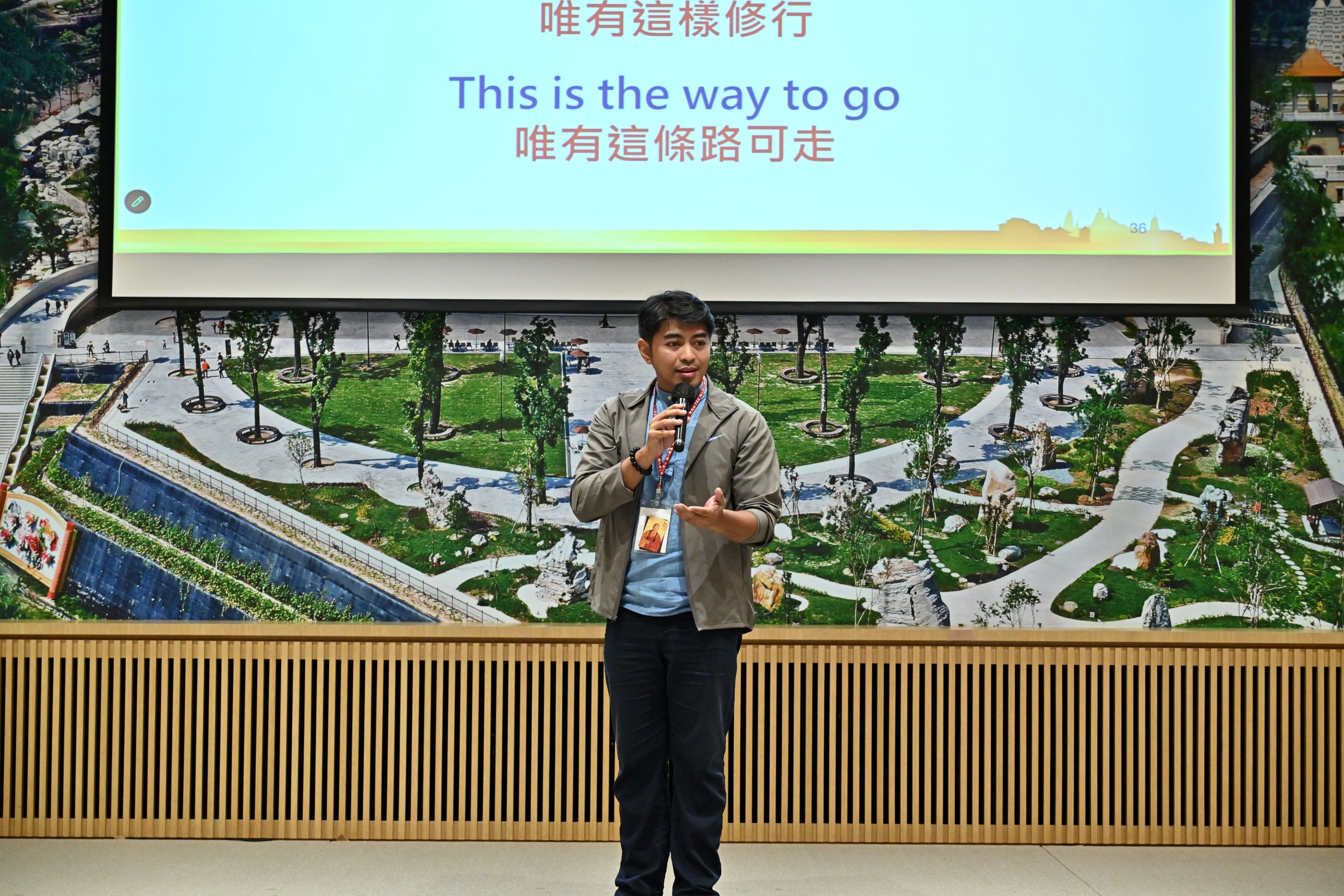
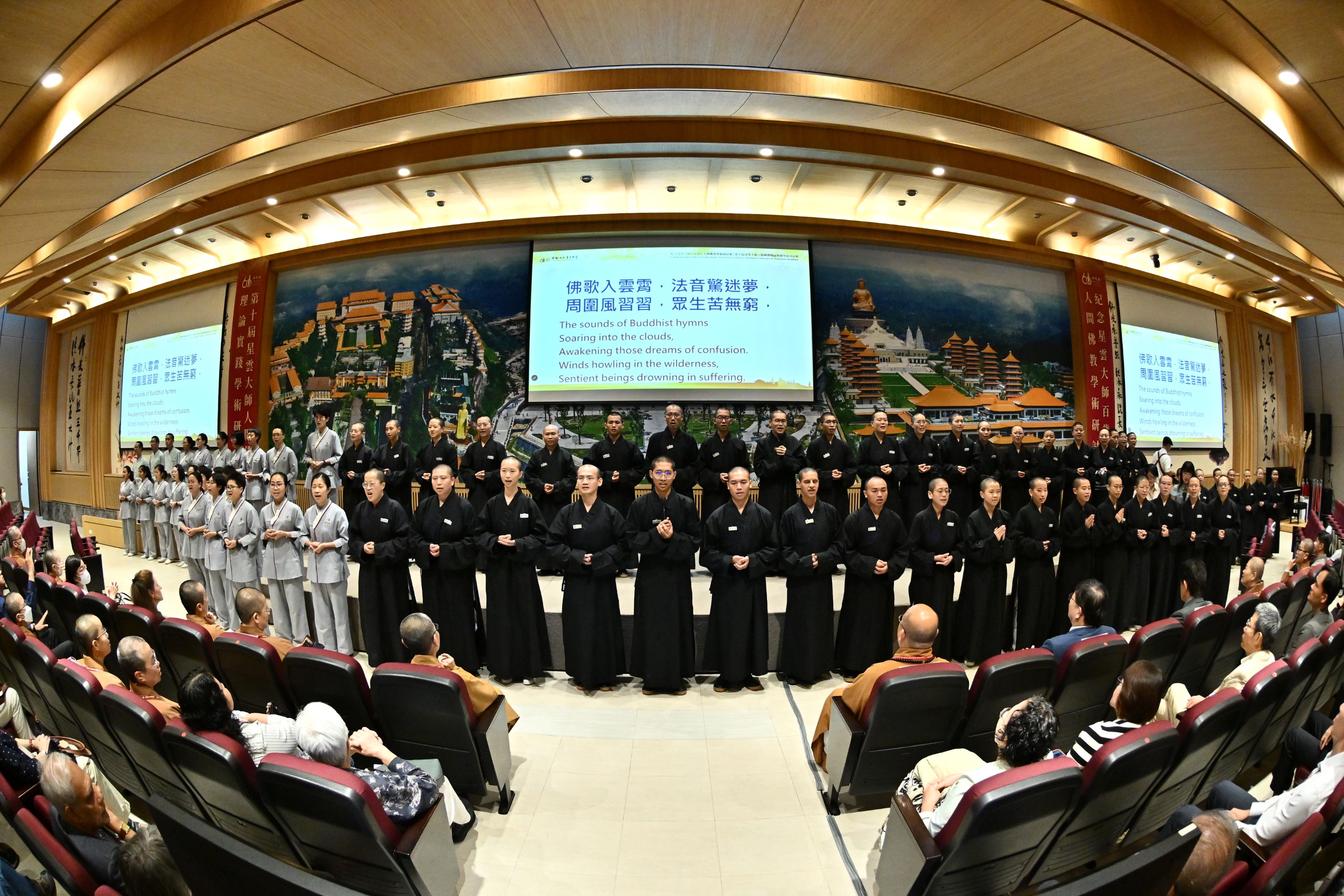
Fo Guang Shan Tsung Lin University and Junrey Alayacyac, Director of the Cebu Academy of Arts, were also invited to perform songs from the “Sounds of the Human World” repertoire, leading participants in commemorating Venerable Master Hsing Yun through music.
The three-day conference features two keynote addresses and eleven panels. More than 200 scholars and experts from over ten countries and regions are participating both in person and online.
By Jeanne H. Tuan
Photos by Chao Chi-Chao
