


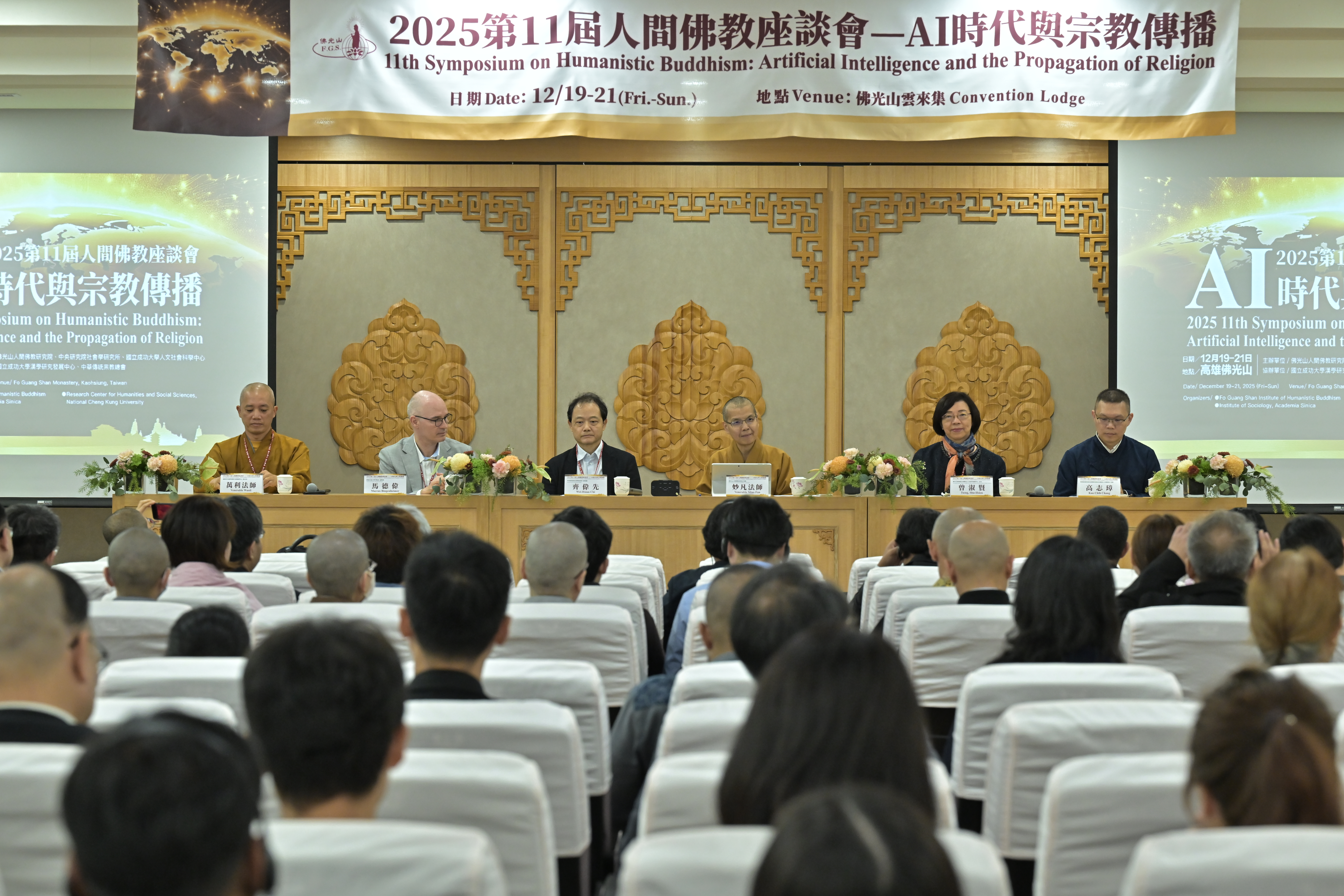
The 11th Symposium on Humanistic Buddhism concluded at Fo Guang Shan on December 21, 2025, bringing to a successful close a landmark examination of "Artificial Intelligence and the Propagation of Religion." Jointly organized by the Fo Guang Shan Institute of Humanistic Buddhism, the Institute of Sociology at Academia Sinica, and the Research Center for Humanities and Social Sciences at National Cheng Kung University, the event gathered over 400 scholars and experts from 13 countries and regions to chart a course for Buddhism in the digital age.
Concluding Panel: AI as a Lens for Social Change
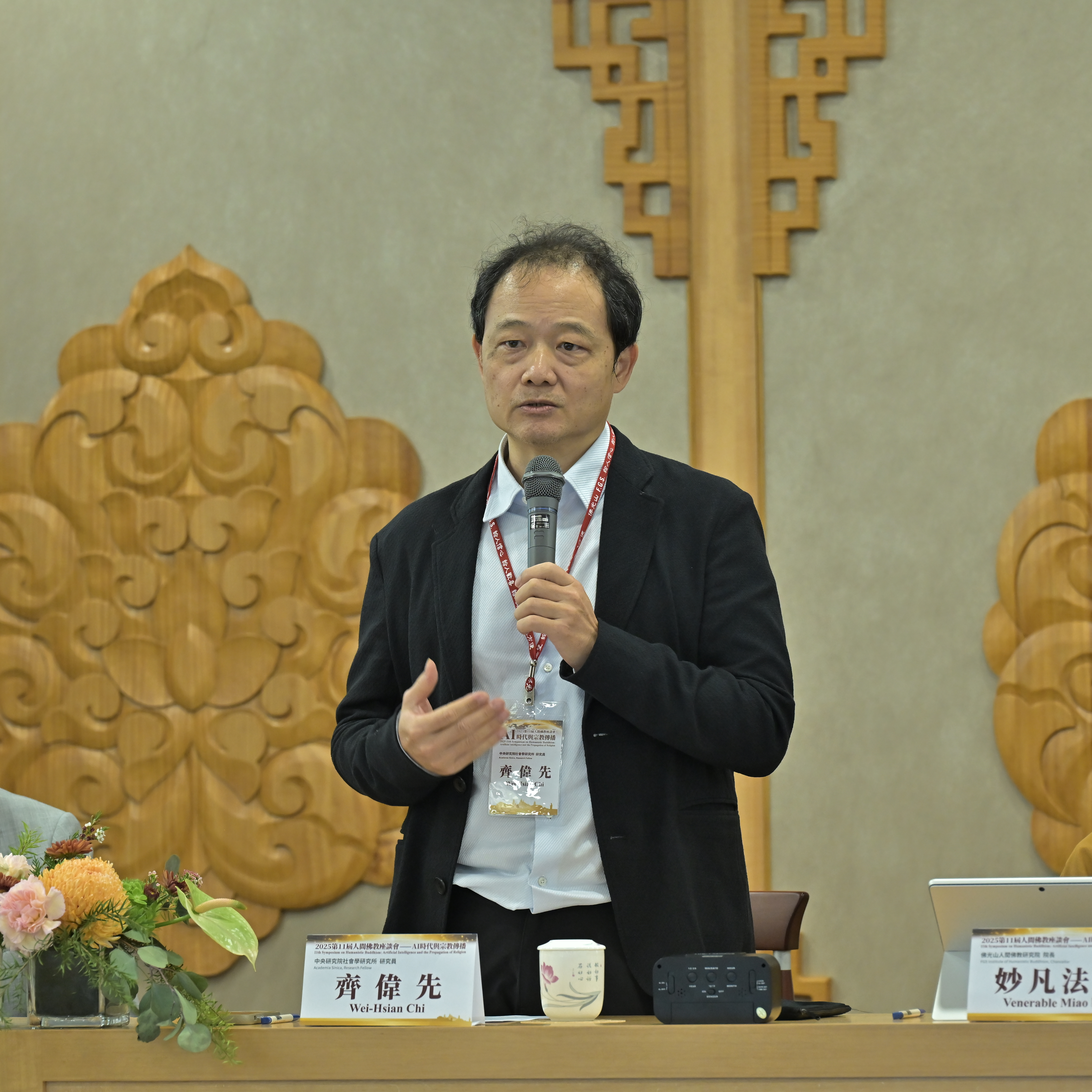
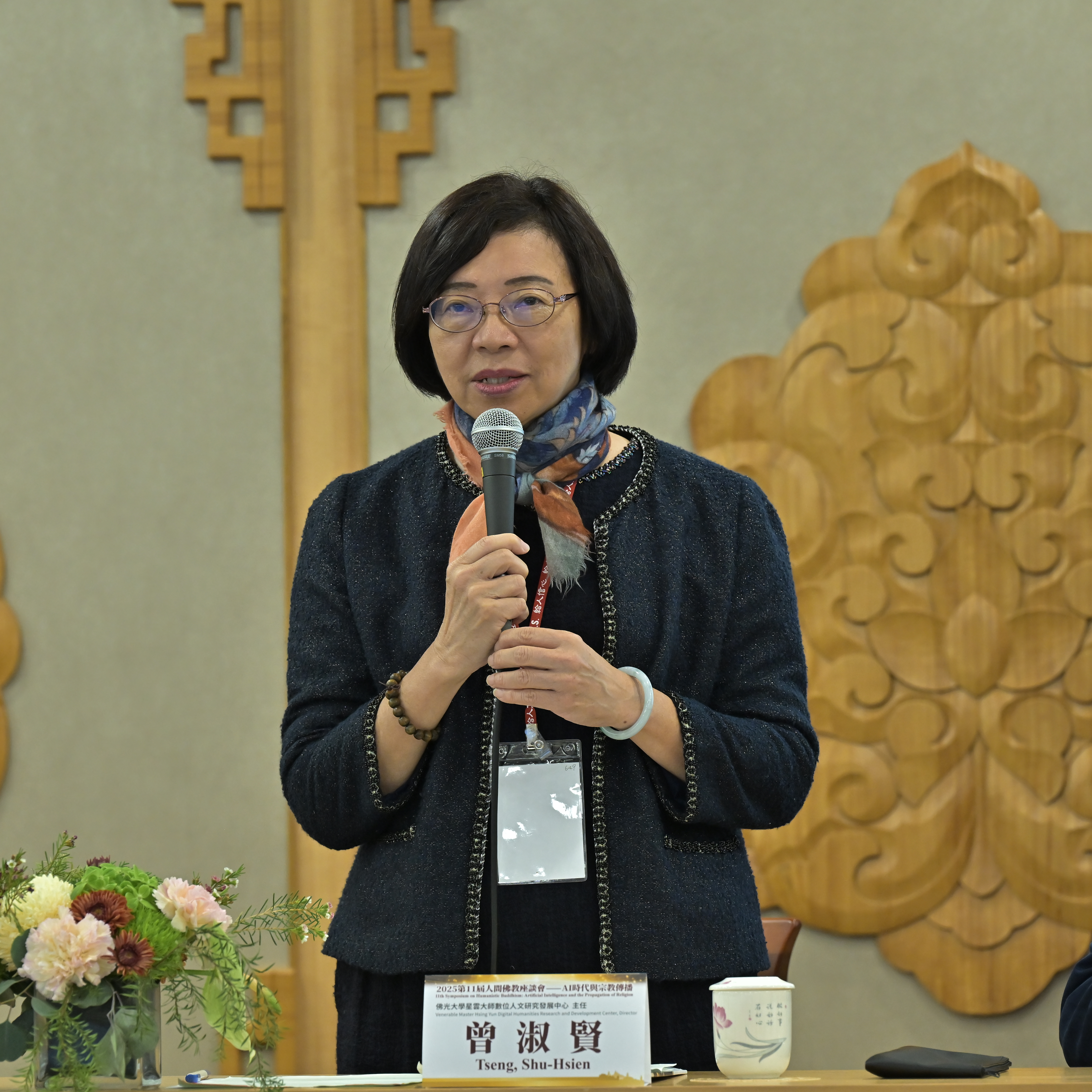
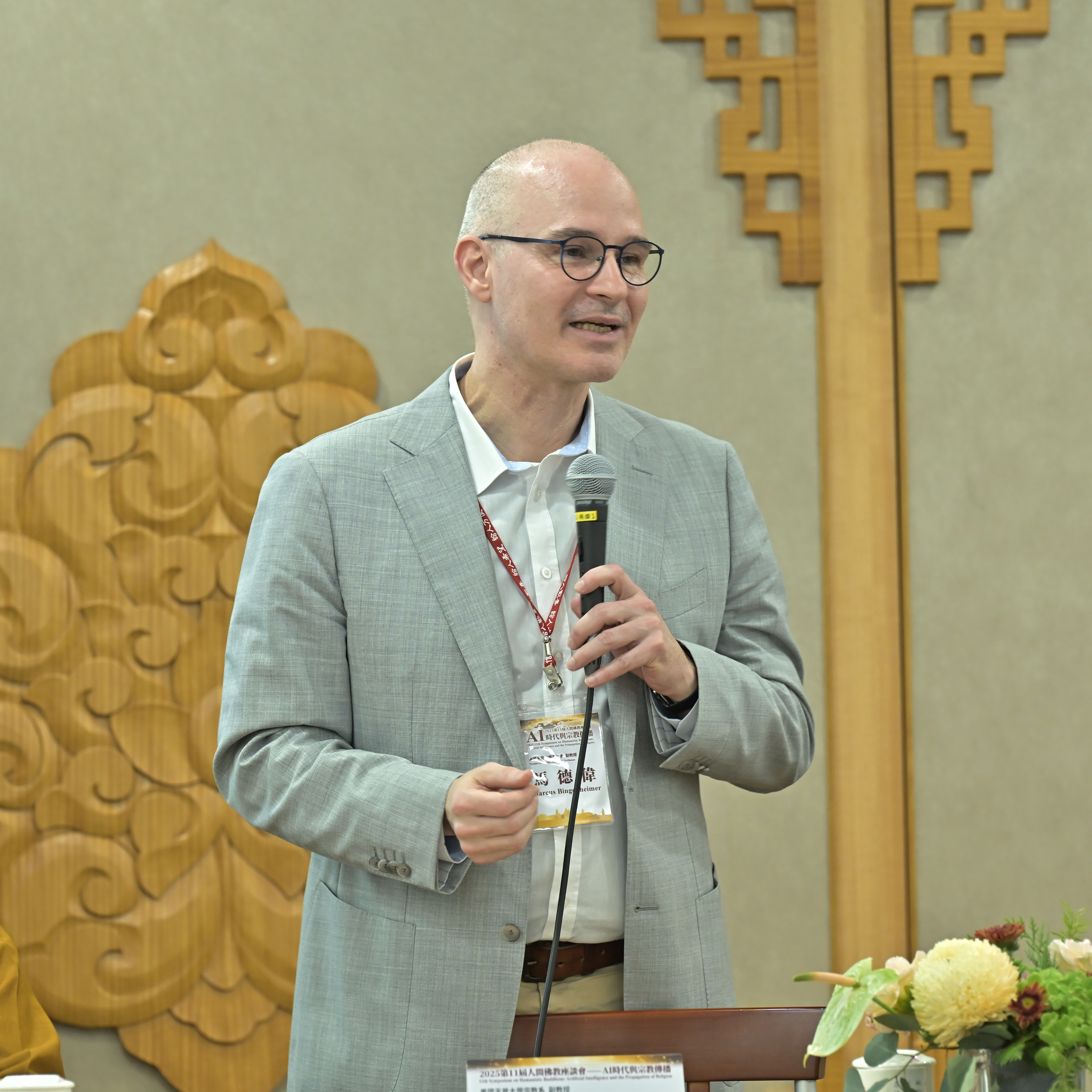
The closing panel, moderated by Dr. Wei-Hsian Chi (Research Fellow of Institute of Sociology, Academia Sinica), framed AI as a lens for social change, emphasizing its impact on human connection. Dr. Shu-Hsien Tseng (Director, Venerable Master Hsing Yun Digital Humanities Research and Development Center, Fo Guang University) celebrated the conference's success in blending technology and ethics and announced the 2026 launch of a digital archive for Venerable Master Hsing Yun’s works. Offering a synthesis of the symposium, Dr. Marcus Bingenheimer (Associate Professor, Department of Religion, Temple University) noted that many of the papers demonstrated a strong reflective quality, offering thoughtful insights into human-AI interaction. He added that, with the Fo Guang Dictionary of Buddhism English Translation scheduled for publication next year, he was deeply impressed by Fo Guang Shan’s dedication to digital preservation.
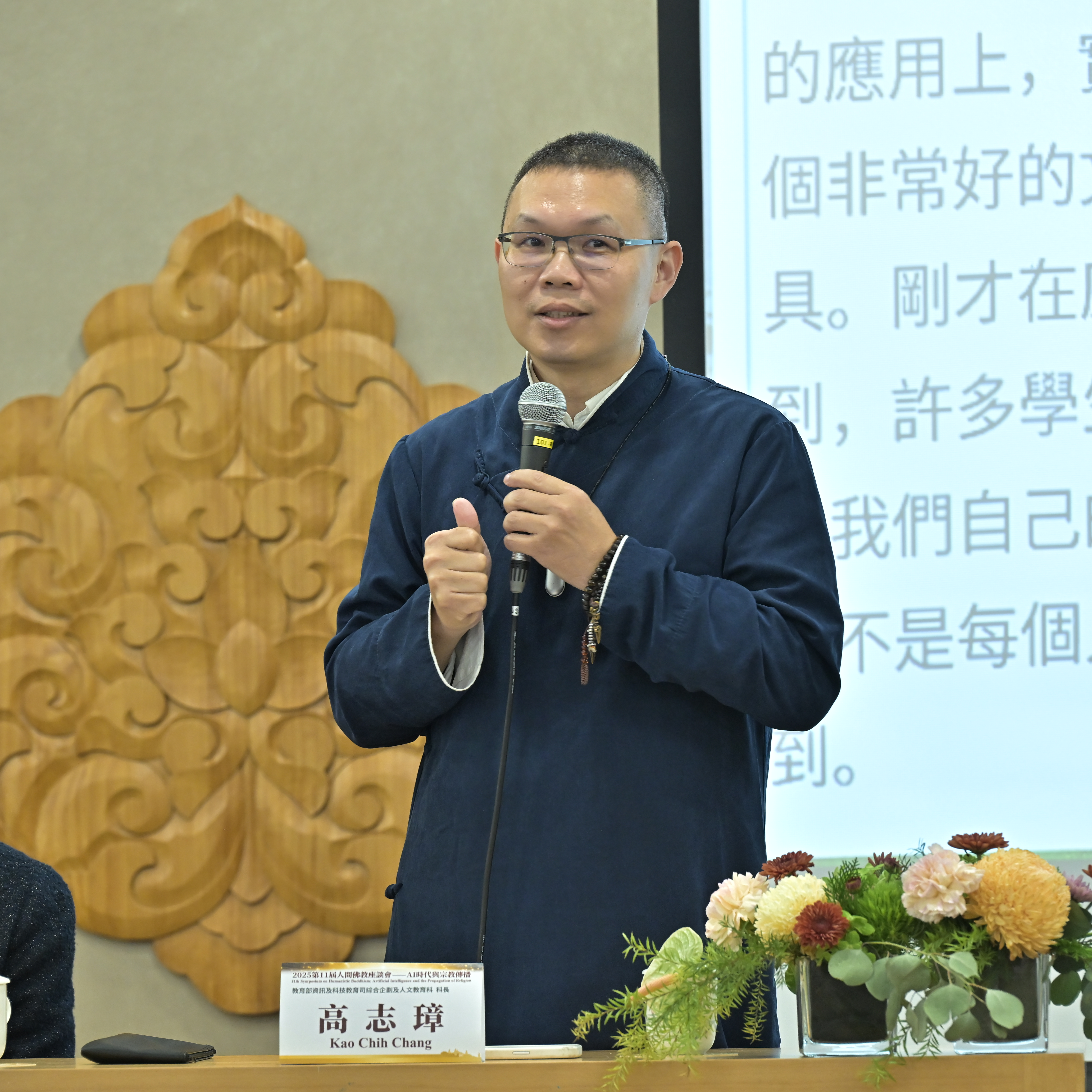
The panelists also offered varied perspectives on AI’s role. Chih-Chang Kao (Chief, Division of the Comprehensive Planning and Humanities Education, and Department of the Information and Technology) viewed AI not as a crisis but as a positive turning point that empowers active professionals. Sharing a global perspective, Venerable Wan Li (Deputy Director, International Center for the Translation of Buddhist Texts, Hanoi, Vietnam) detailed how his team uses AI to rapidly translate Master Hsing Yun’s complete works, efficiently propagating the Dharma to Vietnamese audiences.
Global Applications and "Digital Sanctuaries"
Syuan-Yuan Chiou (Associate Professor, National Chengchi University) described digital initiatives in Fo Guang Shan as a "digital sanctuary," drawing parallels to Quranic translation projects in Indonesia. A visiting scholar from Japan offered a poignant observation, describing AI as a "member of the reading group", a partner for interaction rather than just a tool, and praised the conference for generating an "algorithm of positive energy and wisdom."
Prelude to 2026
Looking toward the future, Venerable Jue Wei (Director, Nan Tien Institute Humanistic Buddhism Centre), announced that the 12th Symposium on Humanistic Buddhism will take place in June 2026 at Nan Tien Institute in Australia, centering on the theme of the "The Light Transmission Record of Humanistic Buddhism by Venerable Master Hsing Yun."
Closing Remarks: Technology and Humanity
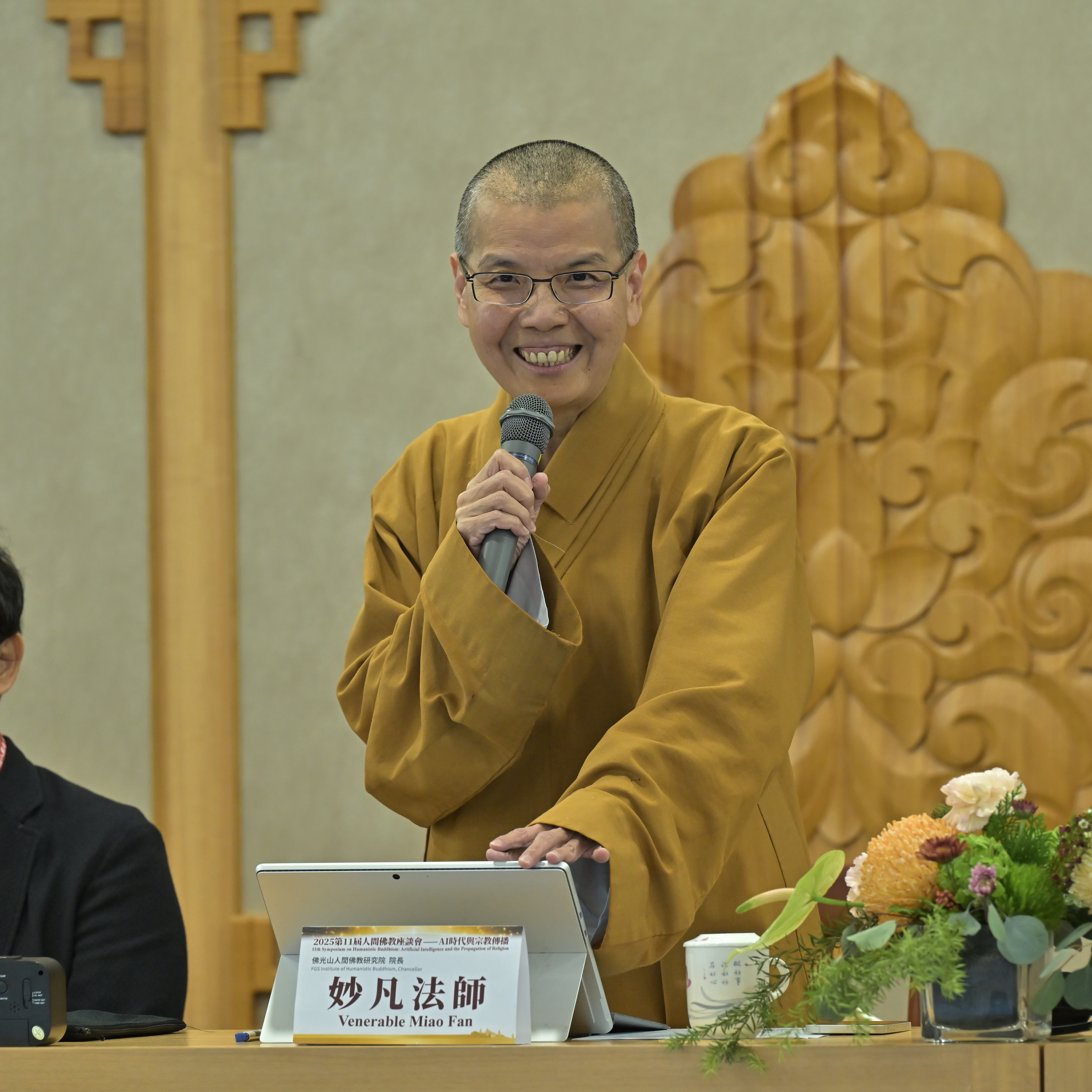
In the closing address, Venerable Miao Fan (Chancellor, Fo Guang Shan Institute of Humanistic Buddhism) reflected on the fortune of witnessing the AI era. Drawing on Master Hsing Yun’s philosophy that the world is "half and half," she emphasized the importance of developing sound value frameworks and using technology to cultivate a better self. She concluded by stressing that technological advancement must not come at the expense of humanistic concern, expressing hope that compassion and human values will remain central amid the ongoing AI transformation.
【Photos credits: Meichao Chuang】
